Breastfeeding Benefits and Tips
Breastfeeding is a rewarding way for you and your baby to get to know each other while providing your little one with all the nutrients they need. Although it’s a natural process, it may be a little challenging to master at first – but you’ll soon get the hang of it. Read on for breastfeeding tips and learn what happens when you breastfeed, the benefits for you and your baby, how to avoid sore and cracked nipples with a good breastfeeding latch, what foods to avoid when breastfeeding and so much more.

What Are the Benefits of Breastfeeding for My Baby?
Breastfeeding offers plenty of great benefits for your baby. Breast milk is packed with minerals and nutrients to help your baby grow and develop. It’s always available to your baby whenever they need it, and the closeness of breastfeeding can support healthy emotional development by strengthening the bond between you and your baby.
Breastfeeding also lowers the chances of:
Some studies have also suggested that breastfeeding can lower the risk of childhood leukaemia. But more research is required in this area.

Pampers® Premium Protection New Baby
What Are the Benefits of Breastfeeding for You?
It’s not only beneficial for babies; breastfeeding also has health benefits for mums. Spending precious time breastfeeding your little one can help foster a strong bond. It’s also free, requires no preparation or special equipment and can be done anytime, anywhere.
In addition, breastfeeding may lower your risk of:
How Do You Breastfeed?
When your baby is born, your midwife may encourage you to place your baby on your bare chest for skin-to-skin contact for at least an hour. This can trigger the reflex that helps your baby latch on to your nipple. Skin-to-skin contact with your baby can also help stimulate your own milk production.
There’s no need to worry if you aren’t able to breastfeed right after birth – for example, if your newborn needs time in special care – you’ll still be able to bond and breastfeed as soon as your baby is back with you.
To start a feed, try to cup your breast in your hand and stroke your baby’s lower lip with your nipple. If your little one yawns or open their mouth wide, pull them close to you, and direct your nipple towards the roof of their mouth.
Here are some tips for helping your baby get a good breastfeeding latch:
Breastfeeding and Pain – Does Breastfeeding Hurt?
Breastfeeding isn’t usually painful, but if you do experience breast pain during or after breastfeeding, the causes can usually be resolved quite quickly. Talk to your midwife, health visitor or a lactation consultant as soon as possible if you experience any pain or discomfort while breastfeeding.
Possible causes of breast pain include:

Breastfeeding in Public
Breastfeeding in public – whether that means feeding your little one in front of a friend or relative at home or in a café, shopping centre, public transport or other public place – is fully permitted in the UK, so know that it’s illegal to make a breastfeeding woman feel uncomfortable or ask her to leave the premises or stop breastfeeding.
Where you choose to breastfeed, is up to you. In the first few days or weeks while you’re still getting the hang of it, you may feel more comfortable breastfeeding in the private. Later, though, many mums start to feel more confident about feeding their baby in a more public setting.
You can make it easier by planning ahead and wearing clothes that will help you feel more comfortable when breastfeeding in public. For example, you might wear a loose top that’s easily lifted. Or, if you like to keep your tummy covered, you could put on two stretchy tops – one to pull up and the other to pull down.
If you don’t have a special nursing bra, a soft non-underwired bra is easy to pull up or down when it’s time for a feed.
What Does Healthy Breast Milk Look Like?
You may be surprised at the colour of your milk during the first few feeds. The thick, typically yellow fluid produced by your breasts the first few days after birth is called colostrum. It’s intended to be your baby’s very first meal and it’s a great source of nutrition and protection against diseases.
At this age, your newborn’s tummy can only hold about a teaspoon of liquid, so don’t expect your baby to feed much at first. Due to its high concentration, your newborn only requires a small amount with each feed to get all the nutrients they need – about a teaspoonful each feed.
Around two to four days after your baby’s birth, you will notice your milk is getting creamier. This is when your ‘mature’ milk comes in. At this point, you may find your baby wants to feed for longer, and slightly less often in certain cases. The more you breastfeed, the more milk you will produce.
How Often Should You Breastfeed?
It’s important that you let your baby set their own schedule. There is no set length of time or frequency for breastfeeding. Don’t be surprised if your infant wants to feed every hour for the first couple of days. As a rough guide, you’ll probably need to feed your baby every 2 to 3 hours, or 8 to 12 times a day.
Your midwife may encourage you to feed whenever they are hungry, when your breasts feel full or if you just want to enjoy some quality time cuddling your baby.
When your baby is hungry, they may let you know by:
How Do You Know Your Baby Is Getting Enough Milk?
You may find yourself worried that you aren’t producing enough breast milk for your baby during the first few days. It can often take a while to feel confident that your baby is getting all the milk they need. Luckily, there are a few tell-tale signs:
Foods to Avoid When Breastfeeding
It can often be hard to know what is best to get more of or avoid when breastfeeding. The most important thing is to eat a balanced diet to ensure your little one gets all the healthy nutrients they need.
There’s no strict meal plan you need to stick to in order to have a healthy breastfeeding diet. However, there are certain things your GP may advise you to avoid, particularly if your baby is sensitive to certain foods or drinks. Traces of what you eat and drink can pass through to your breast milk, so it’s good to be aware of any sensitivities.
When breastfeeding, it’s generally recommended that you keep the following things in mind:
What Do You Need to Know About Expressing Breast Milk?
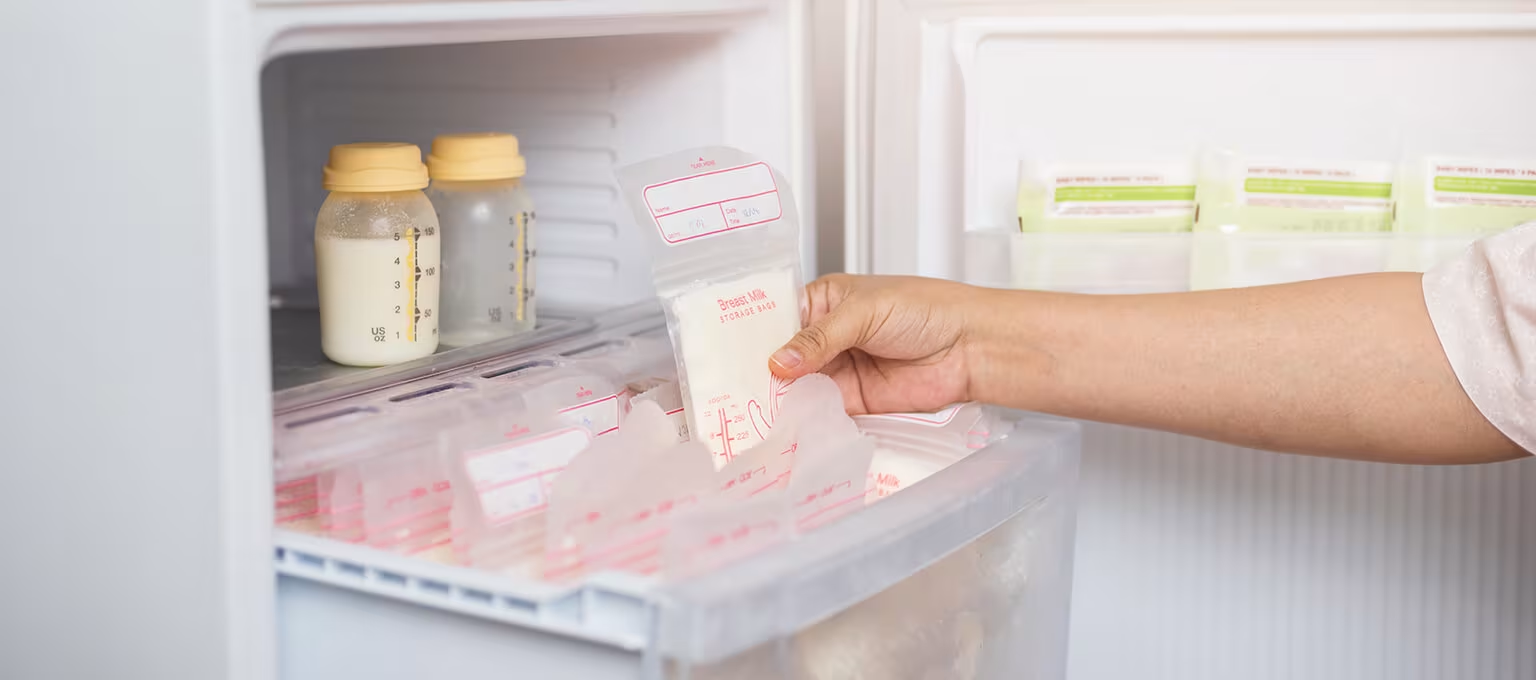
Breast milk production is based on supply and demand. The more milk you feed or pump, the more you’ll produce. There are plenty of reasons you may want to express and store your breastmilk. For example, it can be handy when you return to work and when your partner wants to feed your baby.
Here are some tips for expressing breast milk:
How Long Should a Child Be Breastfed For?
Experts advise exclusively breastfeeding your baby for the first six months to make sure your little one enjoys all the benefits of breast milk. After that, you can start to introduce a more varied diet, adding solid foods in addition to breast milk for up to 2 years or longer.
There is no set time limit for how long you can breastfeed your baby – it’s a choice that should be right for both of you. Read more about weaning your baby and stopping breastfeeding.
Is There Anything Else That Can Help You With Breastfeeding?
You may need a little help getting started, especially if it’s your first time breastfeeding. That’s perfectly normal. Here are a few tips to make breastfeeding a little easier:
The bottom line
Breastfeeding is a natural process, but it can take time for both you and your baby to get into a successful routine. In fact, many mums need a little help at some point. Read more about feeding a newborn for help with those first few feeds. You can also get help from a lactation consultant who can help teach you proper breastfeeding techniques.
- Benefits of breastfeeding
- Benefits of breastfeeding
- Skin to skin
- Skin-to-skin contact and breastfeeding right after birth
- Breastfeeding: the first few days
- Breastfeeding in your baby’s first few days
- Is my baby getting enough milk from breastfeeding or formula?
- Breastfeeding: is my baby getting enough milk?
- Healthy breastfeeding diet
- Expressing and storing breast milk
- Dummies, pros and cons: your dummy questions answered
- Breastfeeding challenges
- Breastfeeding
- NHS: Sore nipples
- NHS: Baby’s first solid foods
- NHS: Antenatal colostrum collection
- NHS: Breastfeeding in public
- NHS: Breast pain
- NHS: Latching on