
How Much Do Newborns Sleep?


Newborns sleep frequently around the clock, both during the daytime and nighttime. However, they only sleep for brief periods at a time – they need to feed around the clock too. As a parent, it can be exhausting, especially when waking every few hours throughout the night to comfort or feed your baby.
If you have a little newborn in your life, it’s natural to wonder how long a newborn should sleep, when any newborn sleep patterns will start to emerge, and how to establish a sleep routine so that you and your baby get the most out of their sleep. To effectively manage the newborn stage, it can also be helpful to understand their sleep patterns and why waking so often is a normal and necessary part of their development.
Keep reading for more on sleep for your newborn.
Key takeaways for how much newborns sleep
Figuring out how much newborns sleep can be complicated as the term ‘newborn sleep pattern’ is a bit of a misnomer because there’s no true ‘pattern’ at this age. Newborns sleep most of the day – as much as 18 hours in a 24-hour period – and often for short bursts, anywhere from 10 minutes to two hours, depending on the day. This is because babies at this age are growing very fast and both sleep and feeding are essential to their healthy development.
Even though sleep is a bit disorganised at first, each sleep cycle contains just the right balance of sleep types. Newborn sleep cycles are different than adults and even older babies. In this article we explain sleep cycles in more detail, but roughly speaking, it goes like this:
Establishing a bedtime routine for your baby early on can help support healthy sleep habits for the long-haul. Use calming activities like a bath, skin-to-skin contact, or gentle massage. Always prioritise safety by placing your baby on their back in a flat, blanket-free cot.
For answers to all your baby sleep questions, download the Smart Sleep Coach by Pampers™ app. This easy-to-use baby sleep app breaks down the science behind baby sleep with expert, personalized guidance based on your baby’s age and stage of development – and sends real-time reminders to take the guesswork out of getting your baby get on the right sleep schedule.

How Much Sleep Do Newborns Need?
Every baby is different and how much sleep your newborn needs may differ to another newborn. But if you’re wondering in general how many hours a day do newborns sleep, it can be up to 18 hours total including daytime and overnight – and sleep needs change rapidly in the first weeks and months.
Very young babies snooze a lot but sleep in short blocks that can last anywhere from 10 minutes to two hours or more. Their sleep happens during both the day and night as they need to eat often, every two to three hours minimum.
Over time, this haphazard around-the-clock dozing and feeding will become more organised. By 3-months-old your baby’s circadian rhythm starts to mature and gradually they spend more time during the day awake and more time asleep at night.
Your baby’s sleep needs and patterns change often as they grow and keeping track of their development can help you better understand and adapt to these shifts.
Curious to see how your little one is growing week by week?

Baby Growth Chart Calculator
Keep an eye on your baby’s height, weight, and head circumference to average growth with our simple tool.
This is a mandatory field.
This is a mandatory field.
This is a mandatory field.
This is a mandatory field.
*Input details of your baby’s last measurements **Source: World Health Organization
What Are a Newborn’s Sleep Patterns?
Unlike typical adult sleep patterns, where most sleep happens at night, newborn sleep patterns include shorter sleep stretches and frequent wake ups spread throughout both the day and night. As they get older and their wake windows get longer, they will spend more time awake in between naps during the day and start to sleep longer stretches at night.
For example, during the first three months of life your newborn might stay awake no more than one hour at a time before slumbering once more. As they get closer to 3- or 4-months-old, these periods of wakefulness extend and as a result their sleep stretches at night may get slightly longer too.
By about 6 months of age, your baby’s newborn sleep patterns may begin to resemble those of an adult, meaning they might sleep for extended periods at night and be more alert during the day, for multiple hours at a time until they sleep through the night. However, they will still need daytime naps as their wake windows gradually get longer. The number of naps each day will lessen as they get older, but many children continue to have one nap a day well through toddlerhood.
Many babies continue to wake to feed at night throughout the first year of their life. Your GP will guide you on when it’s time to drop a night feed.
The way sleep evolves from the around-the-clock blocks of a newborn to the longer nighttime sleep of an older child or adult is not a linear process. It’s important to remember that every baby is unique and that your newborn’s sleep patterns may differ from what we’ve described here.
Even after the newborn stage, your baby may still go through different periods where they wake frequently during the night. For example, during a sleep regression many have changes to their sleep patterns. Don’t worry though, this is a normal part of development.
In Summary
Newborns can sleep for up to 18 hours per day. This is broken into short chunks of about one to two or three hours, which are spread throughout the day and night. After the newborn stage, these sleep blocks become longer – starting at about four or five hours each.
What are the Stages of Sleep in Newborns
The sleep of newborns occurs in different stages. Here’s what to expect:
Stage 1: Drowsiness.
When your baby reaches the end of a wake window, they will start to show signs they are ready to fall asleep, such as rubbing their eyes. You can try putting put your baby to sleep in their cot when they’re sleepy but still awake. This can help get them comfortable falling asleep independently early on, establish a sleep routine for your newborn and prevent overtiredness.
Stage 2: REM (Rapid Eye Movement) or active sleep.
Unlike older babies and adults, newborns experience REM sleep earlier in their sleep cycle. During this time, your baby may twitch or jerk their arms and legs, flutter their eyelids, and grunt of cry, and their breathing may seem irregular. This is all normal for newborn active sleep because of involuntary reflexes. Newborns spend half their sleep in this REM stage, which is more than older babies and adults. It’s easy to mistake REM sleep for your baby rousing or actually waking up, so it’s important to observe them and not intervene too quickly as they may actually just be in active sleep.
Stage 3: Light sleep.
In this stage, your baby’s breathing becomes more regular, and they are not as active.
Stage 4 and 5: Deep or non-REM sleep.
Also known as quiet sleep, this is the stage your baby falls into a deep sleep. There usually will be no twitching or any other movements. It may be more difficult to wake your baby in this stage if you need to wake them to feed.
When to Set Up a Sleep Routine for Your Newborn
It’s never too early to establish a newborn sleep routine but it may take several months before your baby develops a predictable sleep pattern. This is because until around 3 months old they simply aren’t biologically ready and won’t in fact know the difference between day and night. A calming bedtime routine can start to cue when it’s time to wind down for sleep and they’ll reap the benefits as they get older.
At this early stage, it’s more important to cater to your newborn’s feeding and sleeping cues rather than pushing a strict sleep schedule. Look out for your baby’s sleepy periods and encourage (and allow) your little one to sleep then.
If you desire, you can monitor the times your newborn sleeps and feeds with a sleep tracking app like Smart Sleep Coach by Pampers. This is a great way to start to identify your newborn’s sleep patterns and the app can even help you formulate a regular sleep routine to follow as you track sleeps. If one day you consider sleep training, the positive sleep associations that can happen by having a bedtime routine in place can make the process more successful.
In Summary
During the newborn phase, your baby's sleep patterns can be quite unpredictable. It's important to follow your newborn's cues for sleep; pay attention to when they appear sleepy and put them to sleep at those times. You can begin tracking feeding and sleep times and start establishing a calming bedtime routine to help create positive sleep associations. While it’s too early to expect consistent sleep patterns from your newborn, you will see the clear benefits of a bedtime routine around three months old.
When Do Newborns Sleep Through the Night?
Newborns can’t sleep through the night just yet. They need to be fed every few hours and will only sleep for short blocks of time. They also still need support falling asleep and falling back to sleep in the middle of the night, which is why rocking, cuddling, or even contact naps (if you are awake too) are okay and necessary in the early months.
When your baby is 3 months or older, they may start to ‘sleep through the night’ or at least for longer nighttime periods. However, many babies continue to wake for feeds well into their first year. It’s also not uncommon for a baby to flip flop between sleeping through and needing to feed (particularly during a growth spurt).
Once your baby is out of the newborn stage, helping them develop independent sleep skills can make returning to sleep easier if they wake. Some babies master independent sleep skills instinctively, whereas others will need a little help. Regardless, newborns will still rely on external support for at least the first three months of life.
In Summary
Your newborn won’t be able to sleep through the night. The need for nighttime feedings and your baby naturally waking after a couple of hours of sleep will prevent super long stretches of sleep at this stage. Additionally, newborns biologically still rely on external support to fall asleep.
How to Get Your Newborn to Sleep at Night
There are many ways to help your newborn sleep at night in between feedings.
Here are some of the things you can try to help your newborn sleep for longer stretches at night:
Above all, try not to become stressed if your little one can’t seem to sleep. If you’re feeling frustrated, leave your baby safely in their cot for a few minutes while you regroup in another room, and go back in when you feel calm and ready.
In Summary
It’s normal for newborns to cry at night and need help falling asleep or back to sleep. Check that your baby is fed and comfortable and help to soothe them by holding or rocking them or offering letting them suck on a dummy. If you’re feeling stressed, take a few minutes to regroup in another room and go back in when you’re feeling calm again.
How Long Do Newborns Sleep at Night?
On average, newborns will sleep in short stretches of maximum two to three hours at night. Since they often feed every two to three hours, or more, they often will naturally wake when hungry. You should typically wake a newborn if they sleep more than three or four hours between feeds.
Remember, since every baby is different, your baby may sleep more or sleep less at night than this. To increase sleep stretches at night, make sure they are getting enough feeding during the day and follow our tips in this article.
As a general guide, here’s how much of your newborn’s total sleep occurs during daytime and nighttime, and how those hours shift month by month.

Can Newborns Sleep Too Much?
It’s possible for newborns to sleep too much between feeds.
In your newborn’s first weeks, they’ll need to be fed about every two or three hours – or more. If your newborn sleeps longer than three or four hours, you may need to wake them up for a feeding. Check in with your baby's GP or health visitor on this matter. Depending on your baby's weight, age and general state of health, they may recommend waking them up or letting them sleep.
If your newborn’s afternoon naps are longer than three or four hours, it’s a good idea to wake them up for a feeding and some playtime. As your baby gets older, naps that are too long or too close to bedtime can make falling asleep in the evening harder.
FAQs at a Glance
Newborns cannot sleep for six hours straight. Newborns typically sleep in short periods and need to be fed every two to three hours. Your newborn will either wake up on their own when they're hungry or you may need to wake them, depending on the advice given by your GP or health visitor.
The Bottom Line
Newborns sleep a lot, and the fact that they doze only in short bursts around-the-clock can make this period a tiring one for you.
Hang in there and try to get some rest whenever you can. Consider sharing middle-of-the-night feedings and nappy changes with your partner and accept help from close friends and family so that you can have some time to relax.
Try to remember that this exhausting newborn period is temporary; eventually, your baby will sleep for longer and have more predictable sleep patterns. In time, the sleep-deprived fog of this newborn phase will pass, and you may even look back fondly on this bleary-eyed period.
- Lullaby Trust. Safer Sleep Advice
- NCT. Newborns and Sleep: Routines and Patterns From 0-3 Months
- NHS. Helping Your Baby to Sleep
- NHS. Night Feeds
- NHS. Oral Health (0 – 5 Years)
- NHS. Safe Sleep
- NHS. Sleep (Infants 0-12 Months)
- NHS. Your Baby’s Sleep at 3-6 Months
- NHS. Your Baby’s Sleep Patterns
- Tommy’s Your Baby’s Sleep Patterns
Read more about Newborn Baby
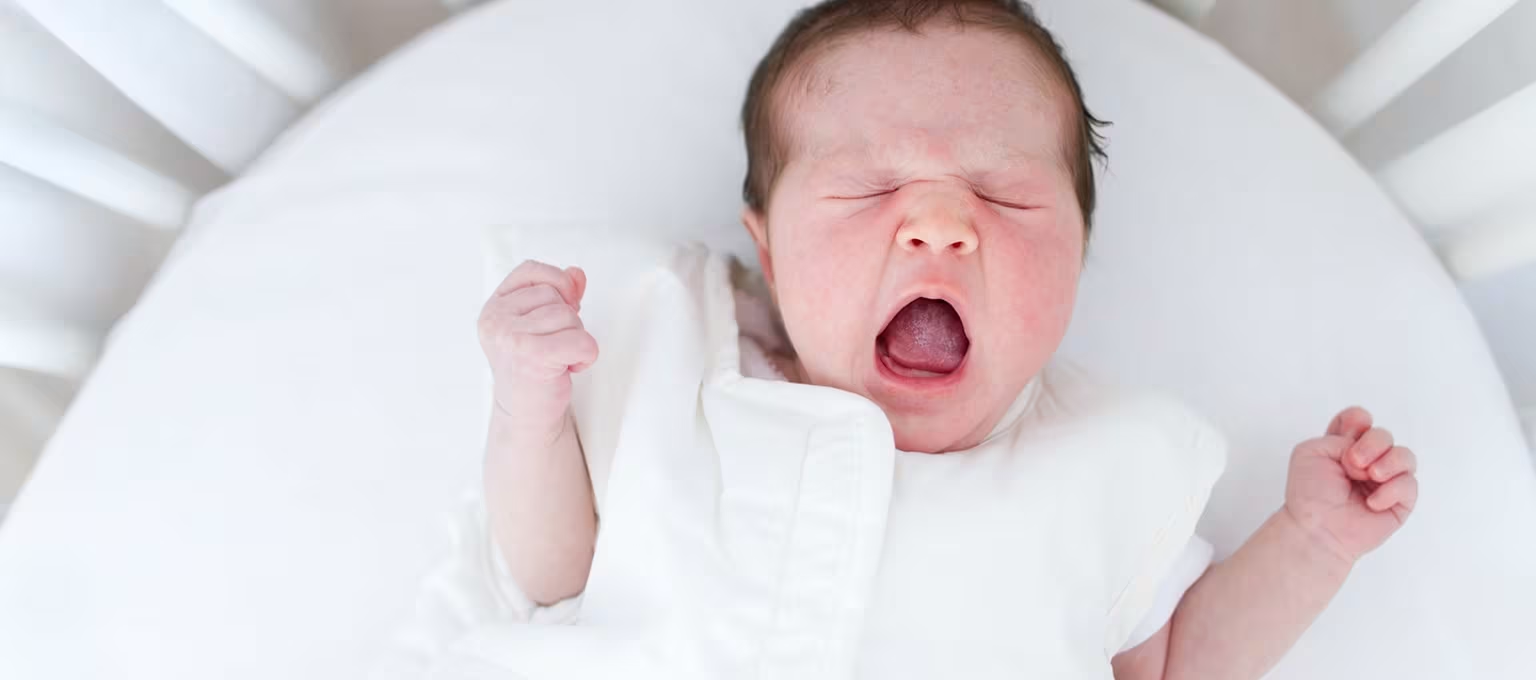
When Do Babies Sleep Through the Night?
Uncover when babies start to sleep right through the night without feeding. We offer helpful tips to ensure your baby enjoys a peaceful full night's sleep.
Read more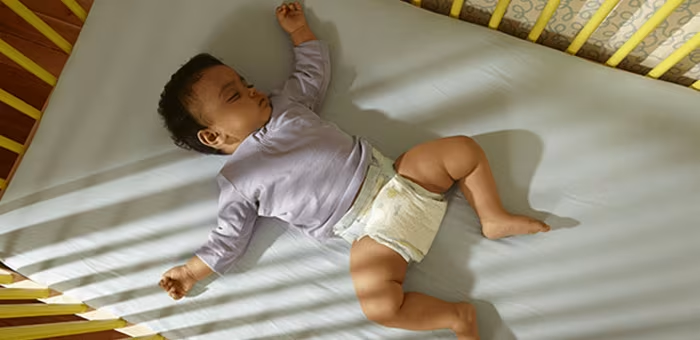
Safe Sleeping Guide for Infants
Take a look at these practical techniques to help ensure that your baby develops good and safe sleeping habits.
Read more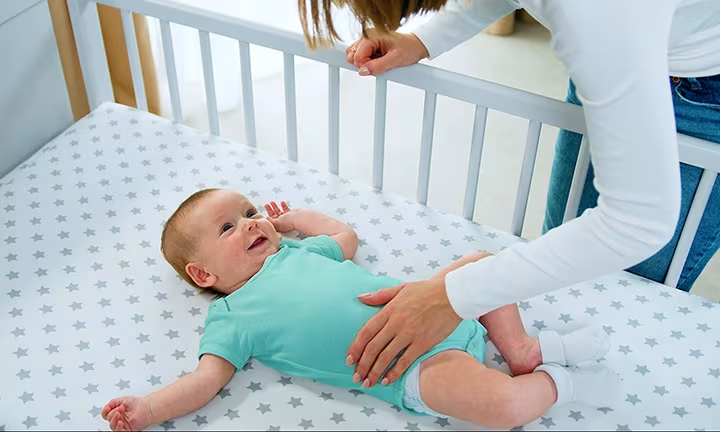
What to Dress Your Baby in at Night
Learn how to dress baby for sleep with expert tips on nightwear. Discover what to dress baby in at night for a safe, comfortable sleep environment.
Read more
How to Swaddle Your Newborn Safely: Step-by-Step Guide
Swaddling can calm your baby and help them nod off. Find out how to swaddle safely with easy steps, when to do it, when to stop, and what to steer clear of.
Read moreWhen Do Babies Sleep Through the Night?
Uncover when babies start to sleep right through the night without feeding. We offer helpful tips to ensure your baby enjoys a peaceful full night's sleep.
Read moreSafe Sleeping Guide for Infants
Take a look at these practical techniques to help ensure that your baby develops good and safe sleeping habits.
Read moreWhat to Dress Your Baby in at Night
Learn how to dress baby for sleep with expert tips on nightwear. Discover what to dress baby in at night for a safe, comfortable sleep environment.
Read moreHow to Swaddle Your Newborn Safely: Step-by-Step Guide
Swaddling can calm your baby and help them nod off. Find out how to swaddle safely with easy steps, when to do it, when to stop, and what to steer clear of.
Read moreWhen Do Babies Sleep Through the Night?
Uncover when babies start to sleep right through the night without feeding. We offer helpful tips to ensure your baby enjoys a peaceful full night's sleep.
Read moreSafe Sleeping Guide for Infants
Take a look at these practical techniques to help ensure that your baby develops good and safe sleeping habits.
Read moreWhat to Dress Your Baby in at Night
Learn how to dress baby for sleep with expert tips on nightwear. Discover what to dress baby in at night for a safe, comfortable sleep environment.
Read moreHow to Swaddle Your Newborn Safely: Step-by-Step Guide
Swaddling can calm your baby and help them nod off. Find out how to swaddle safely with easy steps, when to do it, when to stop, and what to steer clear of.
Read more