What to Do If Your Baby Has Eczema


As a parent, you might be worried if you see red, dry itchy patches appearing on your baby’s skin. It may help to know that eczema is quite common in infants and that it often clears up with time.
If your baby has been diagnosed with eczema, you’re probably wondering what it is, what’s caused it and what treatments might be effective for soothing your little one and helping prevent flare-ups. Read on to discover all this and more.
What Is Baby Eczema?
Though it can occur at any age, eczema is a skin condition that's common in babies and children, especially those below the age of 12 months.
Baby eczema can be uncomfortable, but it’s not infectious.
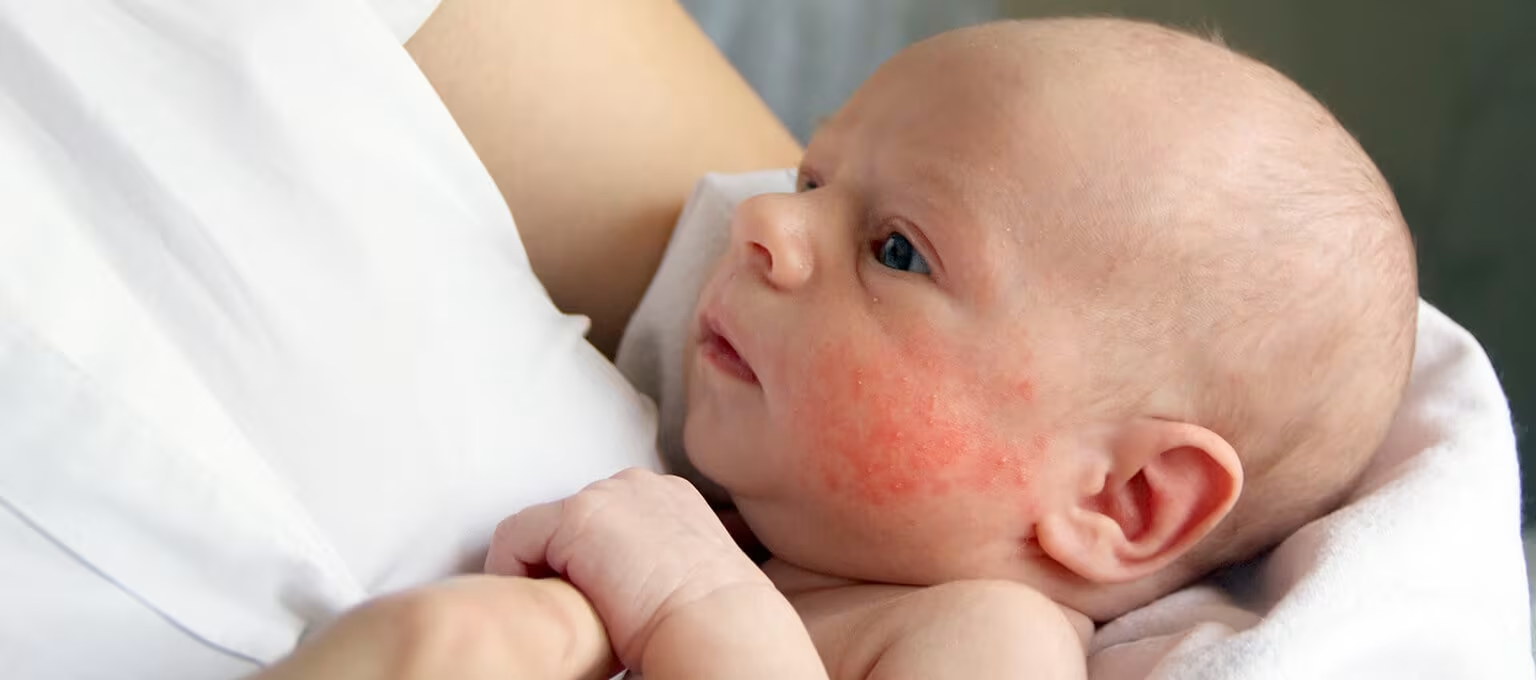
Eczema usually takes the form of red, dry and itchy patches of skin, that appear most commonly on the face or behind the ears, or in the creases of your baby’s neck, behind the knees and at the elbows.
Babies often grow out of eczema, but there are things you can do to soothe your little one’s discomfort and help prevent a worsening of the symptoms in the meantime.
More severe cases of baby eczema may need treatments that only your doctor can prescribe. Still, it’s important to have all cases of eczema professionally diagnosed, so check in with your doctor or health visitor if you notice any signs of the condition.
What Can Cause Eczema in Your Baby?
Eczema is thought to develop when the skin is unable to retain a lot of moisture. This in turn can make your infant more sensitive to certain irritants or triggers.
It's unclear why some people get eczema and others don't, but genetics plays a role. Your infant might be more susceptible to eczema if others in your or your partner’s family have had it before.
Your little one also has a higher chance of developing the condition if certain other conditions run in your family, such as hay fever, asthma or allergies.
Food allergies may be a factor sometimes, but don’t stop giving your child potentially important types of food without first consulting your doctor. Any allergies need to be diagnosed and managed separately.
Potential Eczema Triggers
Some of the triggers that might set off your baby’s eczema could include:
Identifying Eczema on Your Baby’s Face and Body
With eczema, dry, red, itchy patches develop on your baby’s skin, often on the face or behind the ears.
It’s also common in the creases of skin, for example, behind the knees or on the elbows, but it can also appear in other areas of the body.
The patches caused by eczema can be mild and small, but they can also be extremely itchy, which can make your baby irritable.
If your little one scratches the itchy patches, the skin may become infected.
What Does Eczema Look Like
Eczema usually takes the form of red, dry and itchy patches of skin, that appear most commonly on the face or behind the ears, or in the creases of your baby’s neck, behind the knees and at the elbows.
Keep in mind that eczema on your baby’s head might look a little like cradle cap, which is another skin condition that can affect some babies. If you’re in any doubt, your doctor will be able to diagnose the condition.
When to See Your Doctor
It’s a good idea to see your doctor if you think your baby might have eczema. That way you can be sure of getting a proper diagnosis and the right treatment, if it’s needed.
If your baby’s eczema is severe, your doctor may recommend an over-the-counter treatment or prescribe medication.
Sometimes eczema can become infected, especially if your child scratches the itchy patches of skin. It’s important to see your doctor if you notice any of these signs of a skin infection:
How to Help Soothe and Manage Your Baby’s Eczema
As with all childhood illnesses, always follow your doctor’s advice on what treatment to use for your baby's eczema. Your provider may suggest taking the following steps to help soothe the eczema and prevent it from recurring or getting worse:
FREQUENTLY ASKED QUESTIONS
• using mild, unscented soaps at bath time
• moisturising your baby’s skin with emollients or a non-perfumed cream recommended by your doctor
• dressing your little one in soft clothing, preferably made of cotton – avoid wool or synthetic fibres
• keeping your baby’s bedroom nice and cool.
It can be worrying at first if your infant has eczema, but with care from your doctor and effective home treatment, your baby’s skin will likely improve in time.
In the meantime, get more advice on how to care for your baby’s skin and keep showering your little one with lots of love and kisses.

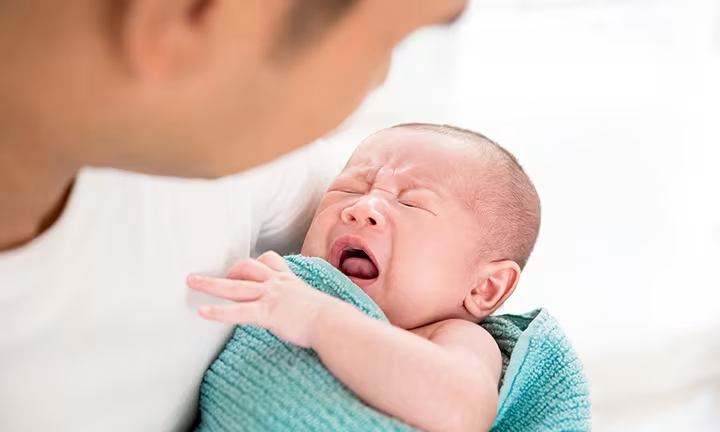
Hand, Foot and Mouth Disease Explained
Get essential information about hand foot and mouth disease in babies. Learn about the causes, symptoms, treatment and how to protect your baby.
Read more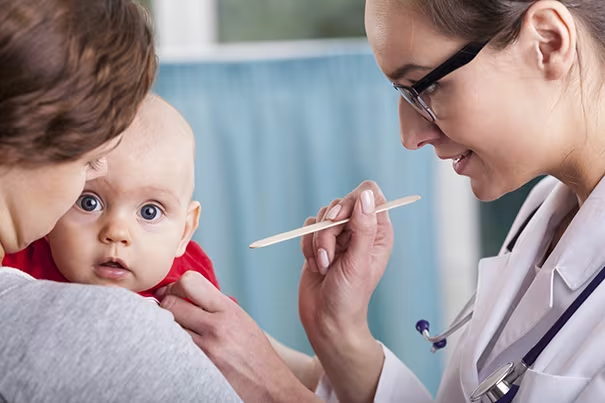
Common kids illnesses: solutions and remedies
Common illnesses are normal for children of all ages and can boost immune systems. See the most common illnesses and treatments for kids.
Read more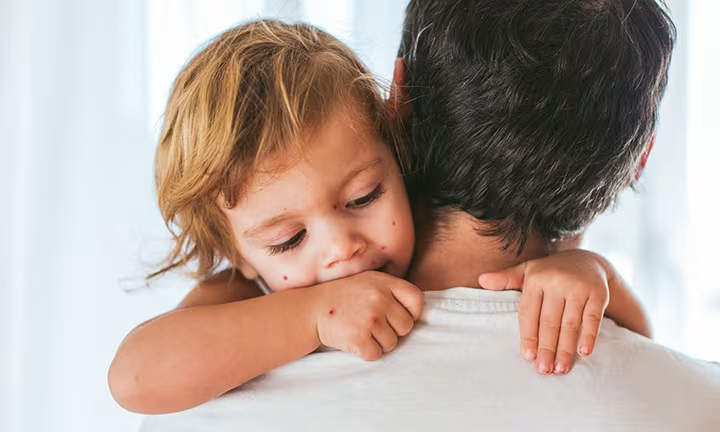
Chickenpox in Babies, Toddlers and During Pregnancy
Discover crucial information about Chickenpox in babies under 3 months. Learn how this red, itchy rash affects infants and steps to take for treatment.
Read more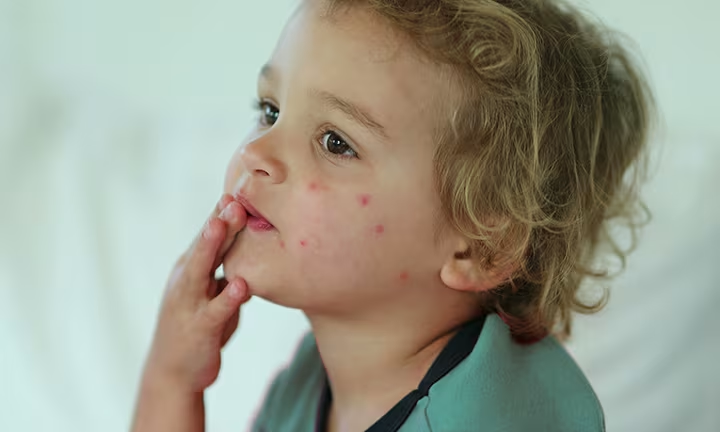
How to Deal With Bed Bugs on Babies
How can you tell if your baby has bed bugs bites? Read on to find out the common signs of bed bugs on children.
Read more
Whooping Cough in Babies
Understand the 3 stages of Whooping Cough and learn to recognize its symptoms in babies for timely treatment and care with our comprehensive guide.
Read more
Pneumonia in Babies and Children
Pneumonia in babies and children is usually due to an infection in the lungs. Read more about what pneumonia is, the symptoms and treatment.
Read more
Roseola: Signs, Symptoms and Treatment
Roseola Infantum, or ‘sixth disease’, is a mild infection that can cause fever and a rash in babies and toddlers. Learn about the causes, symptoms and treatment.
Read more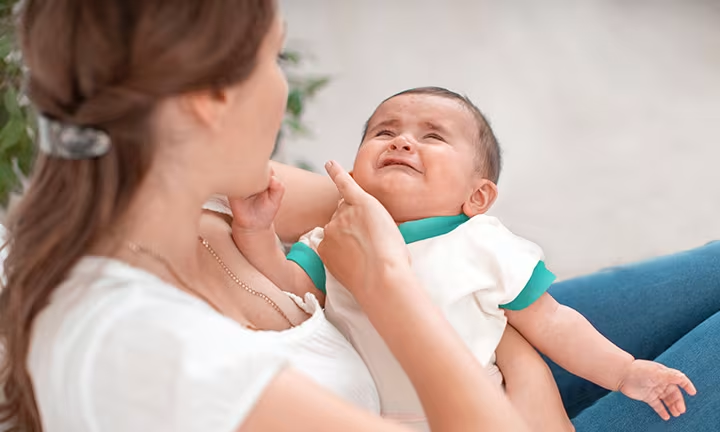
Moro Reflex in Newborns
Moro reflex usually occurs in the first few months after birth. Your newborn may experience startle reflexes. Not to worry as it’s common at this age.
Read more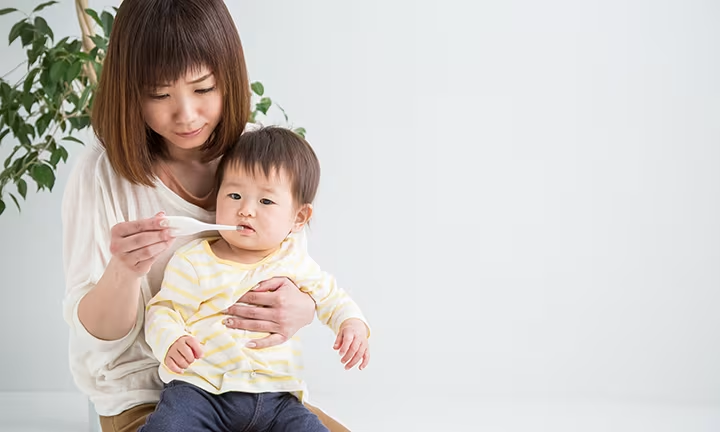
Baby Diarrhoea: Causes, Symptoms & When to See a GP
Worried your baby has diarrhoea? Discover common causes, signs to watch for, how to keep your baby hydrated and when it’s best to contact your GP.
Read more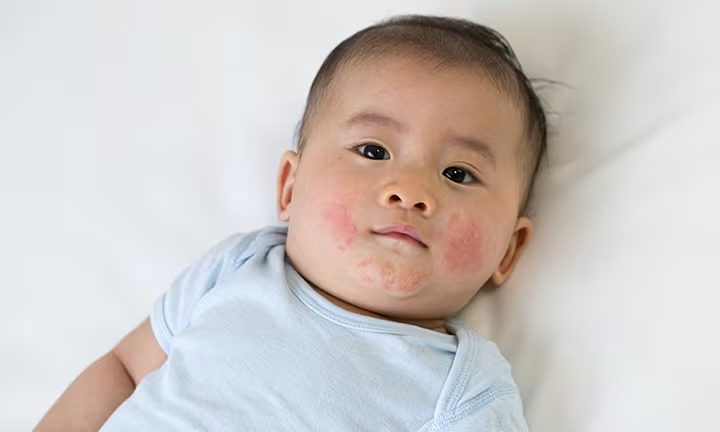
What Is Slapped Cheek Syndrome?
Slapped cheek syndrome is a viral infection that can show up as a bright red rash on the cheeks of your baby or toddler. Learn about the symptoms and treatment.
Read moreHand, Foot and Mouth Disease Explained
Get essential information about hand foot and mouth disease in babies. Learn about the causes, symptoms, treatment and how to protect your baby.
Read moreCommon kids illnesses: solutions and remedies
Common illnesses are normal for children of all ages and can boost immune systems. See the most common illnesses and treatments for kids.
Read moreChickenpox in Babies, Toddlers and During Pregnancy
Discover crucial information about Chickenpox in babies under 3 months. Learn how this red, itchy rash affects infants and steps to take for treatment.
Read moreHow to Deal With Bed Bugs on Babies
How can you tell if your baby has bed bugs bites? Read on to find out the common signs of bed bugs on children.
Read moreWhooping Cough in Babies
Understand the 3 stages of Whooping Cough and learn to recognize its symptoms in babies for timely treatment and care with our comprehensive guide.
Read morePneumonia in Babies and Children
Pneumonia in babies and children is usually due to an infection in the lungs. Read more about what pneumonia is, the symptoms and treatment.
Read moreRoseola: Signs, Symptoms and Treatment
Roseola Infantum, or ‘sixth disease’, is a mild infection that can cause fever and a rash in babies and toddlers. Learn about the causes, symptoms and treatment.
Read moreMoro Reflex in Newborns
Moro reflex usually occurs in the first few months after birth. Your newborn may experience startle reflexes. Not to worry as it’s common at this age.
Read moreJoin Pampers Club and get:
- PAMPERS COUPONS
- TOOLS & QUIZZES
- PARENTING TIPS
 PAMPERS COUPONS
 TOOLS & QUIZZES
 PARENTING TIPS